
Planning a trip to Morocco is exciting. From the colorful souks of Marrakech to the golden dunes of the Sahara Desert, every moment feels unique. However, before you start exploring, it is important to understand Moroccan currency and how money works in the country. Knowing how to exchange money, use bank cards, avoid scams, and handle daily expenses can make your Morocco vacation smooth and stress-free.
The official currency of Morocco is the Moroccan dirham, often written as MAD. While it may seem confusing at first, especially with local terms like francs, pesetas, or rials, it quickly becomes easy once you understand the basics.
This complete guide explains everything travelers need to know about Moroccan currency, buying dirhams, using ATMs, paying with cards, exchanging money, tipping, and avoiding common tourist mistakes.
What Is the Moroccan Currency?
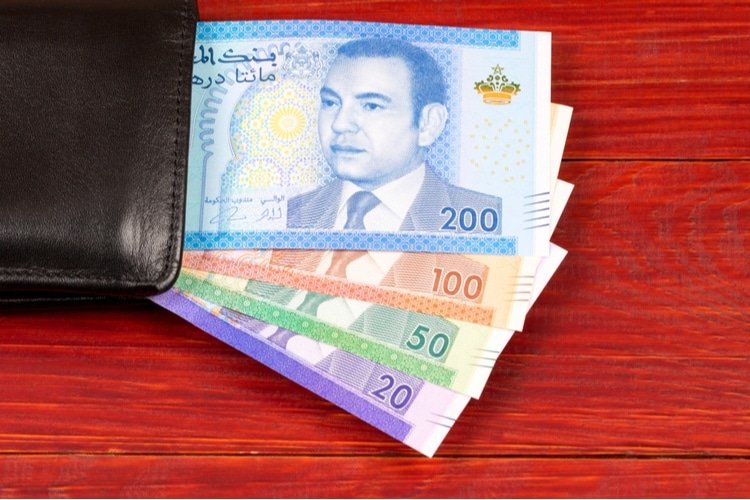
The official currency of Morocco is the Moroccan Dirham (MAD). The word “dirham” is often abbreviated as dh or Dhs in shops, restaurants, taxis, and markets.
The dirham is divided into 100 centimes. However, depending on the region, locals may use traditional terms such as:
- Francs
- Pesetas
- Rials or reales
These names can confuse tourists at first, especially in local markets. For example, in many areas:
- 20 rials = 1 dirham
So if someone says “200 rials,” they usually mean 10 dirhams.
Although traditional terms still exist in conversations, prices in shops and restaurants are generally written clearly in dirhams.
Moroccan Coins and Banknotes Explained
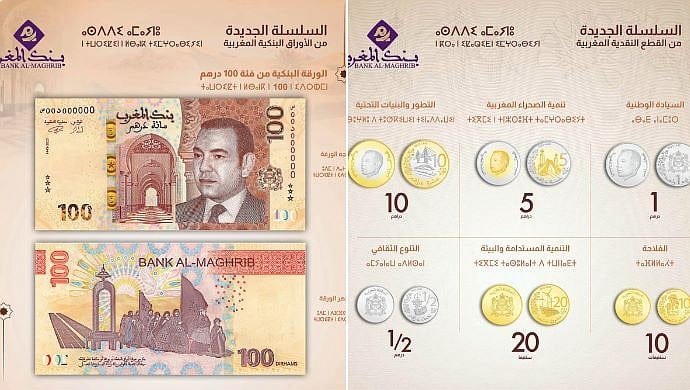
Understanding Moroccan money becomes much easier once you recognize the available coins and notes.
Moroccan Coins
You will commonly find these coins in circulation:
- 10 centimes
- 20 centimes
- 50 centimes
- 1 dirham
- 5 dirhams
- 10 dirhams
Smaller coins are useful for:
- Tipping
- Paying taxi drivers
- Buying snacks
- Shopping in local markets
Moroccan Banknotes
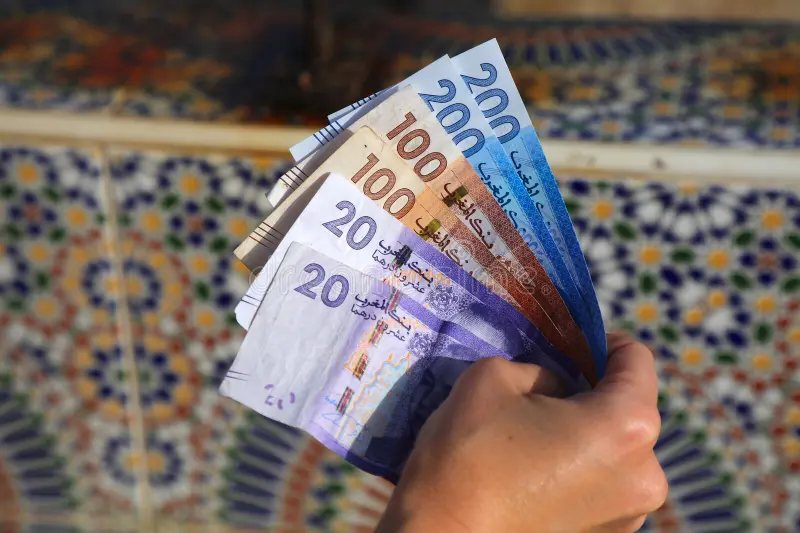
Moroccan paper money comes in these denominations:
- 10 dirhams
- 20 dirhams
- 50 dirhams
- 100 dirhams
- 200 dirhams
The 200-dirham note is the largest commonly used bill. Many small shops and taxis may not have change for large notes, so carrying smaller denominations is always a good idea.
Why Understanding Moroccan Currency Is Important
Many travelers arrive in Morocco without learning about the local currency system. This can lead to confusion, overspending, or misunderstandings during purchases.
When you understand Moroccan currency, you can:
- Avoid tourist scams
- Negotiate prices more confidently
- Manage your travel budget better
- Use local transportation easily
- Shop in souks without confusion
Even basic knowledge can improve your overall travel experience.
Best Ways to Buy Moroccan Dirhams
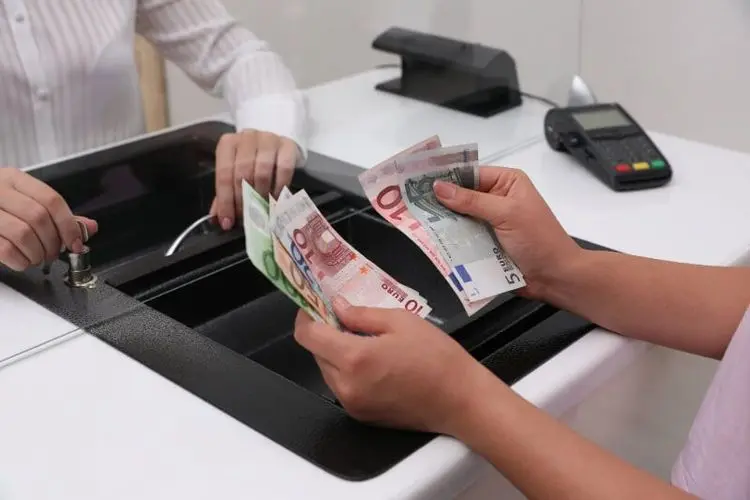
One of the most common questions travelers ask is where to buy Moroccan dirhams. Fortunately, there are several safe and easy options.
Buying Dirhams Inside Morocco
The easiest place to obtain Moroccan currency is after arriving in Morocco.
Airports
Moroccan airports usually have:
- Currency exchange offices
- Bank counters
- ATM machines
This option is convenient for travelers who need cash immediately for taxis, food, or tips.
However, airport exchange rates are sometimes slightly lower than city banks.
ATM Machines
ATMs are widely available in major cities such as:
- Casablanca
- Marrakech
- Fes
- Tangier
- Agadir
Using an ATM is often one of the best ways to get local currency because exchange rates are usually fair.
Most machines accept:
- Visa
- Mastercard
- International debit cards
Always use ATMs attached to banks for better security.
Moroccan Banks
Banks in Morocco usually offer official exchange rates with little or no commission.
Popular Moroccan banks include:
- Attijariwafa Bank
- Banque Populaire
- Bank of Africa
Banks are reliable places to exchange money safely.
Travel Agencies and Exchange Offices
Exchange offices can also provide good rates. However, always compare rates before exchanging large amounts.
Buying Moroccan Currency Before Traveling
Some travelers prefer arriving in Morocco with local currency already in hand.
Through Your Local Bank
Many international banks allow customers to pre-order Moroccan dirhams before travel.
Advantages include:
- Peace of mind
- Immediate cash after arrival
- Avoiding airport exchange lines
However, not all countries easily stock Moroccan currency because the dirham is partially restricted outside Morocco.
Exchange at Departure Airports
Major international airports often offer Moroccan dirhams.
This is convenient but may involve higher exchange fees.
Buying Dirhams in Spain
Travelers arriving by ferry from Spain can exchange money in:
- Algeciras
- Gibraltar
These cities frequently handle Moroccan travelers and often provide dirham exchange services.
Understanding Exchange Rates in Morocco
Exchange rates constantly change depending on the international market.
In Morocco:
- Official exchange rates are regulated
- Banks usually provide similar rates
- Friday midday often determines weekly rates
Before traveling, check current rates using:
- Banking apps
- Currency converter apps
- Financial websites
Knowing the approximate exchange rate helps you avoid overpaying in markets or taxis.
Should You Use Cash or Cards in Morocco?
The answer depends on where you travel.
Cash Is Essential in Morocco
Cash remains the preferred payment method in many places, especially:
- Local markets
- Traditional riads
- Small restaurants
- Street food stalls
- Taxis
- Rural villages
Even in tourist areas, cash is extremely important.
Credit and Debit Cards
Larger businesses usually accept cards, including:
- Hotels
- Shopping malls
- Upscale restaurants
- International chains
Visa and Mastercard are the most accepted.
American Express may not work everywhere.
Important Tips for Using Credit and Debit Cards
Before traveling to Morocco, prepare your bank cards properly.
Notify Your Bank
Always inform your bank about your travel dates. Otherwise, international transactions may trigger fraud alerts and block your card.
Check Your PIN
Make sure your PIN works internationally. Some travelers discover too late that their PIN is incompatible with foreign ATMs.
Carry Backup Cards
Having at least two cards is recommended in case one gets blocked or lost.
Save Emergency Contact Numbers
Write down your bank’s international support number separately from your wallet.
Keep Copies of Your Cards
Take photos or copies of your cards and store them securely.
Traveler’s Checks in Morocco
Traveler’s checks are no longer recommended in Morocco.
They can be difficult to exchange because:
- Many banks no longer accept them
- Exchange locations are limited
- Extra commission fees apply
A commission of around 10.70 dirhams may be charged when cashing traveler’s checks.
Modern travelers usually prefer:
- Debit cards
- Credit cards
- ATM withdrawals
How Much Money Do You Need in Morocco?
One reason many tourists love Morocco is affordability. Morocco offers excellent value for travelers.
Daily Budget Examples
Budget Travelers
Around:
- 300–600 dirhams daily
This covers:
- Budget accommodation
- Local food
- Shared transportation
Mid-Range Travelers
Around:
- 700–1500 dirhams daily
This includes:
- Comfortable riads
- Restaurant meals
- Private taxis
- Tours
Luxury Travelers
Luxury vacations can exceed:
- 2500 dirhams daily
Especially in high-end resorts and desert camps.
Tipping Culture in Morocco
Tipping is common and appreciated throughout Morocco.
Common Tipping Amounts
Cafés and Restaurants
- 1–5 dirhams for simple service
- 10% in nicer restaurants
Hotel Staff
- Porters: 5–10 dirhams
- Housekeeping: 10–20 dirhams daily
Tour Guides
- Depending on service quality and tour length
Taxi Drivers
Rounding up the fare is common.
Small coins are extremely useful for tipping.
Using Money in Moroccan Souks
The traditional souks of Marrakech and Fes are exciting but can overwhelm first-time visitors.
Always Carry Small Bills
Many market vendors may not have change for 200-dirham notes.
Small denominations make shopping easier.
Bargaining Is Normal
Negotiation is part of Moroccan shopping culture.
Tips for bargaining:
- Stay polite
- Smile
- Compare prices
- Never appear rushed
Confirm the Currency
Some sellers may quote prices using:
- Rials
- Francs
- Centimes
Always confirm whether the amount is in dirhams.
Avoiding Currency Scams in Morocco
Most Moroccans are honest and welcoming. However, like any tourist destination, small scams exist.
Learn Basic Exchange Rates
Knowing approximate conversions helps you identify unfair prices quickly.
Use a Currency Converter App
Apps make calculations simple while shopping or negotiating.
Double-Check Large Bills
Always verify your change after paying with larger notes.
Be Careful With Taxi Prices
Ask for the fare before starting the ride when possible.
Watch for Centime Confusion
Some vendors intentionally confuse tourists by quoting prices in centimes rather than dirhams.
For example:
- “500” may sound expensive
- But it could mean 5 dirhams
Clarify before paying.
Can You Use Euros or Dollars in Morocco?
Sometimes, yes.
In tourist areas, some businesses may accept:
- Euros
- US dollars
However:
- Exchange rates are often poor
- Dirhams are preferred everywhere
- Local currency usually saves money
Using Moroccan dirhams is always the best option.
Is Morocco Expensive for Travelers?
Compared to many European destinations, Morocco remains affordable.
You can enjoy:
- Delicious food
- Beautiful riads
- Desert adventures
- Historic cities
Without spending excessively.
Examples of affordable purchases:
- Fresh orange juice
- Moroccan mint tea
- Local street food
- Taxi rides
- Traditional crafts
A moderate budget can provide an amazing travel experience.
Important Money Safety Tips in Morocco
Keeping your money secure is essential during travel.
Use Hotel Safes
Store:
- Passports
- Backup cards
- Extra cash
Inside hotel safes when possible.
Avoid Carrying Large Amounts
Carry only what you need daily.
Split Your Money
Keep cash in different places:
- Wallet
- Bag
- Hidden pocket
This reduces risk if something is lost.
Use Secure ATMs
Choose ATMs attached to official banks rather than isolated machines.
Best Apps for Managing Money in Morocco
Several apps can make managing Moroccan currency easier.
Currency Converter Apps
Useful for:
- Quick exchange calculations
- Shopping
- Negotiating prices
Banking Apps
Help monitor:
- Card activity
- ATM withdrawals
- International charges
Travel Budget Apps
Useful for tracking vacation spending.
Final Travel Tips About Moroccan Currency
Before traveling to Morocco, remember these essential points:
- Always carry some cash
- Use dirhams whenever possible
- Keep small bills for taxis and tips
- Compare exchange rates before changing money
- Notify your bank before traveling
- Avoid traveler’s checks
- Learn basic currency conversions
- Use official banks and ATMs
- Confirm prices before paying
These simple habits can save money and avoid stress during your trip.
Conclusion
Understanding Moroccan currency is one of the most important parts of preparing for a trip to Morocco. Although the Moroccan dirham may seem confusing at first, especially with local terms like rials and francs, travelers quickly adapt once they learn the basics.
Whether you are wandering through the lively souks of Marrakech, exploring the blue streets of Chefchaouen, or riding camels across the Sahara Desert, having a good understanding of Moroccan money will make your journey easier and more enjoyable.
Using dirhams, carrying small denominations, choosing reliable exchange methods, and staying aware of exchange rates can help you travel confidently throughout Morocco. With proper preparation, you can focus less on money worries and more on enjoying the incredible culture, landscapes, food, and hospitality that make Morocco unforgettable.